Too pissed to twist
In pursuit of the perfect night out

Zaffre Hibbert-Hall
Music writer and former 'it girl'
Zaffre writes about music, nightlife and the seductive rituals of going out.Her work explores the clubs, records, fashions and personalities that give a place its after-dark identity, with a particular fascination for scenes that become destinations in their own right.She believes the best nights out create their own mythology, long after the last record has stopped playing.
Thank you
I wanted to start by thanking Costa del Wigan for giving me this opportunity. Things haven't been easy since leaving rehab, so somebody showing faith in me, in my lived experience, means a great deal.
The Wigan Effect
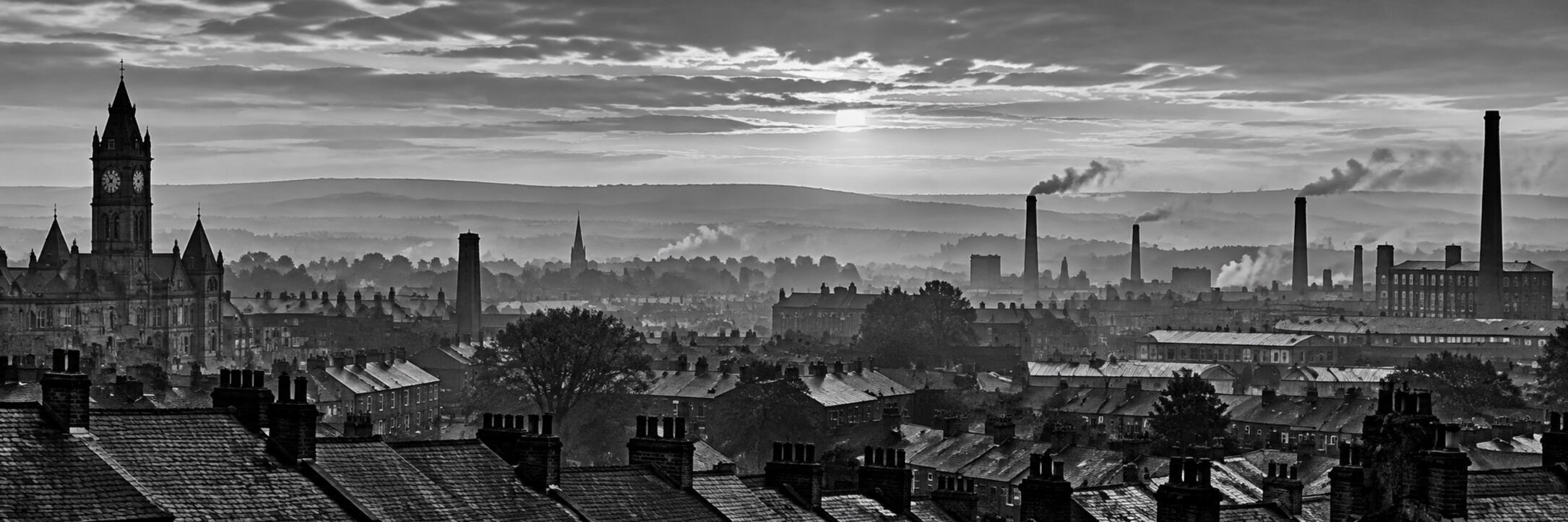
There are places whose musical reputations seem inevitable. Liverpool has its Beatles, Manchester its swagger, and London has spent much of the last century behaving as though British popular culture were invented somewhere within walking distance of Soho.Wigan has never been quite so insistent.And yet, for more than a century, this Lancashire town and the communities surrounding it have made an extraordinary contribution to the soundtrack of British life. From the music halls of Edwardian England to the dance floors of Northern Soul, from the sophistication of sixties rhythm and blues to the sweeping, orchestral melancholy of The Verve, Wigan has repeatedly found ways of reaching audiences far beyond its own boundaries.What makes this achievement particularly interesting is that there is no single Wigan sound. Its musical history is not a neat succession of artists borrowing from their predecessors. It is a collection of remarkable, sometimes contradictory, expressions of popular culture, connected less by genre than by place, imagination and a refusal to accept that cultural significance must originate in a major city.
A Little Light EntertainmentGeorge Formby was born in Wigan in 1904, when popular entertainment belonged largely to the music hall and the touring theatre. By the late 1930s, he had become one of Britain's most successful performers, a film star whose cheerful persona, extraordinary facility with the banjolele and mischievous songs made him a household name.It is tempting to regard Formby as a quaint relic of another England. The toothy grin, the innocent delivery and the relentless good humour seem almost impossibly distant from contemporary musical tastes. But this risks overlooking the scale of his achievement.Formby was a genuine national phenomenon. His films drew enormous audiences, his records sold in considerable numbers, and his performances for servicemen and women during the Second World War made him a figure of enormous affection.He also carried something unmistakably northern into the mainstream. His accent was not an obstacle to be overcome, nor was his provincial identity something to conceal. They were essential parts of his appeal.In an entertainment industry increasingly drawn towards polished metropolitan sophistication, a young man from Wigan had discovered that being unmistakably himself could be a considerable commercial advantage.
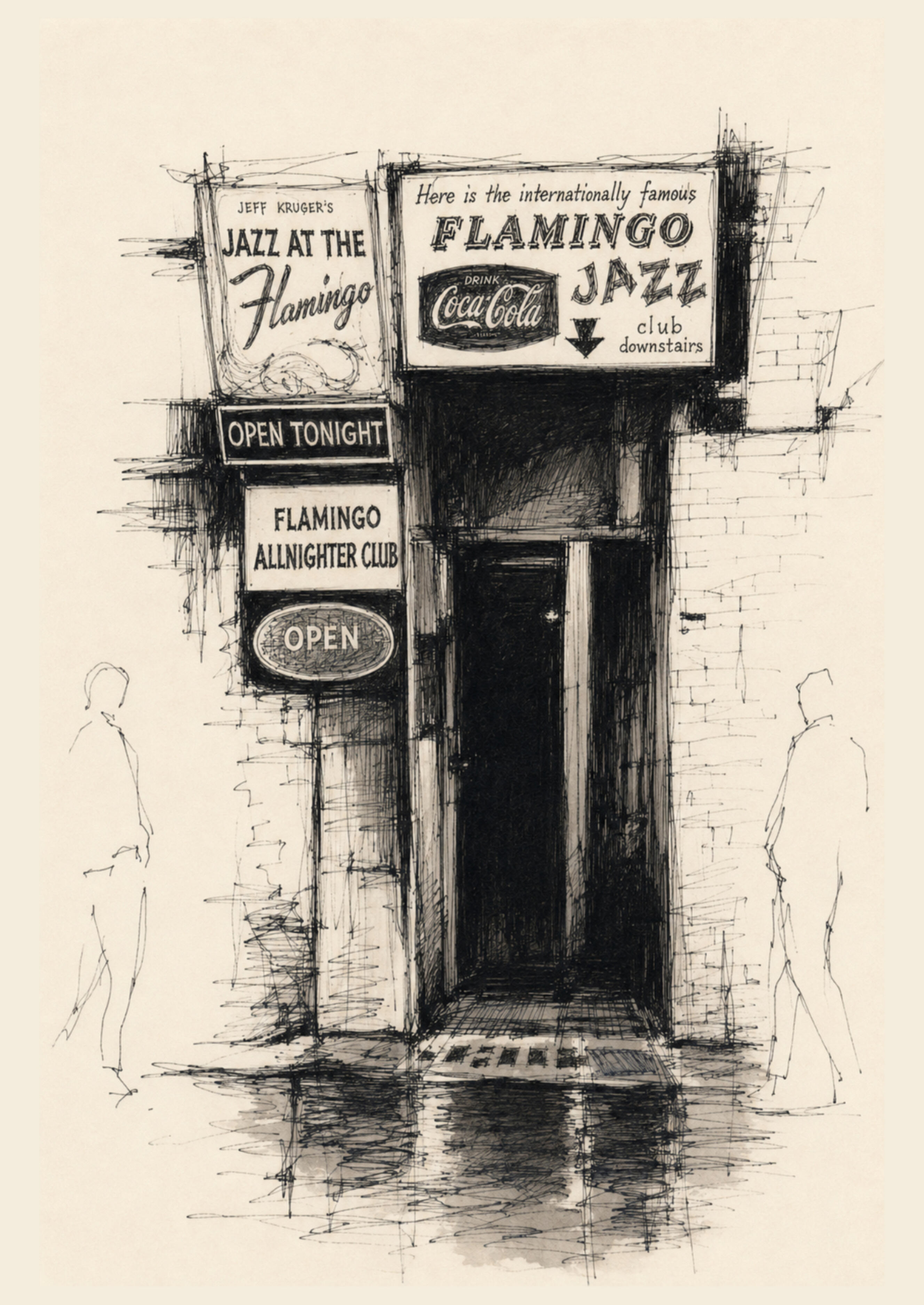
A different kind of coolA generation later, another musician from the borough would demonstrate an altogether different sort of appeal.Georgie Fame, born Clive Powell in Leigh in 1943, emerged during the early 1960s as one of Britain's most distinctive interpreters of American rhythm and blues, jazz and soul.Where Formby had delighted audiences with genial familiarity, Fame offered sophistication, rhythmic precision and an instinctive understanding of musical styles that were transforming British youth culture.His performances with the Blue Flames, particularly their celebrated residency at London's Flamingo Club, placed him at the centre of a remarkable musical exchange.American jazz, blues and rhythm and blues were finding new audiences in Britain, and musicians such as Fame were helping to make those sounds part of the country's emerging popular identity.His success with Yeh Yeh in 1965 was more than an agreeable moment in the charts.It represented a British musician confidently inhabiting an international musical language, bringing together influences that crossed racial, national and stylistic boundaries.The contrast with Formby could scarcely have been greater.One belonged to the music hall, the other to the jazz club.One offered cheerful familiarity, the other metropolitan cool.Both emerged from the same part of Lancashire.Both helped shape what Britain listened to.
The Night Belonged to WiganIf Formby and Fame took their talents out into the world, Northern Soul reversed the direction of travel.For a few extraordinary years, the world came to Wigan.When Wigan Casino began its legendary all-night soul sessions in September 1973, it joined an already thriving movement devoted to discovering, preserving and dancing to largely overlooked American soul records.Northern Soul had not been invented in Wigan. Its foundations had been laid in clubs across northern England and the Midlands, and its musical treasures originated overwhelmingly in Black American recording studios.But Wigan Casino became the movement's most enduring symbol.Every weekend, young people travelled considerable distances to spend the night dancing to records that much of the wider music industry had forgotten or ignored.Songs that had failed commercially in America acquired an extraordinary second life on a Lancashire dance floor.This was popular culture operating according to its own rules.The dancers were not waiting to be told what mattered by record companies, broadcasters or fashionable critics.They developed their own standards, their own heroes and their own fiercely defended musical canon.The DJs became custodians of extraordinary knowledge. A rare seven-inch single could possess a significance entirely unrelated to its original chart performance.
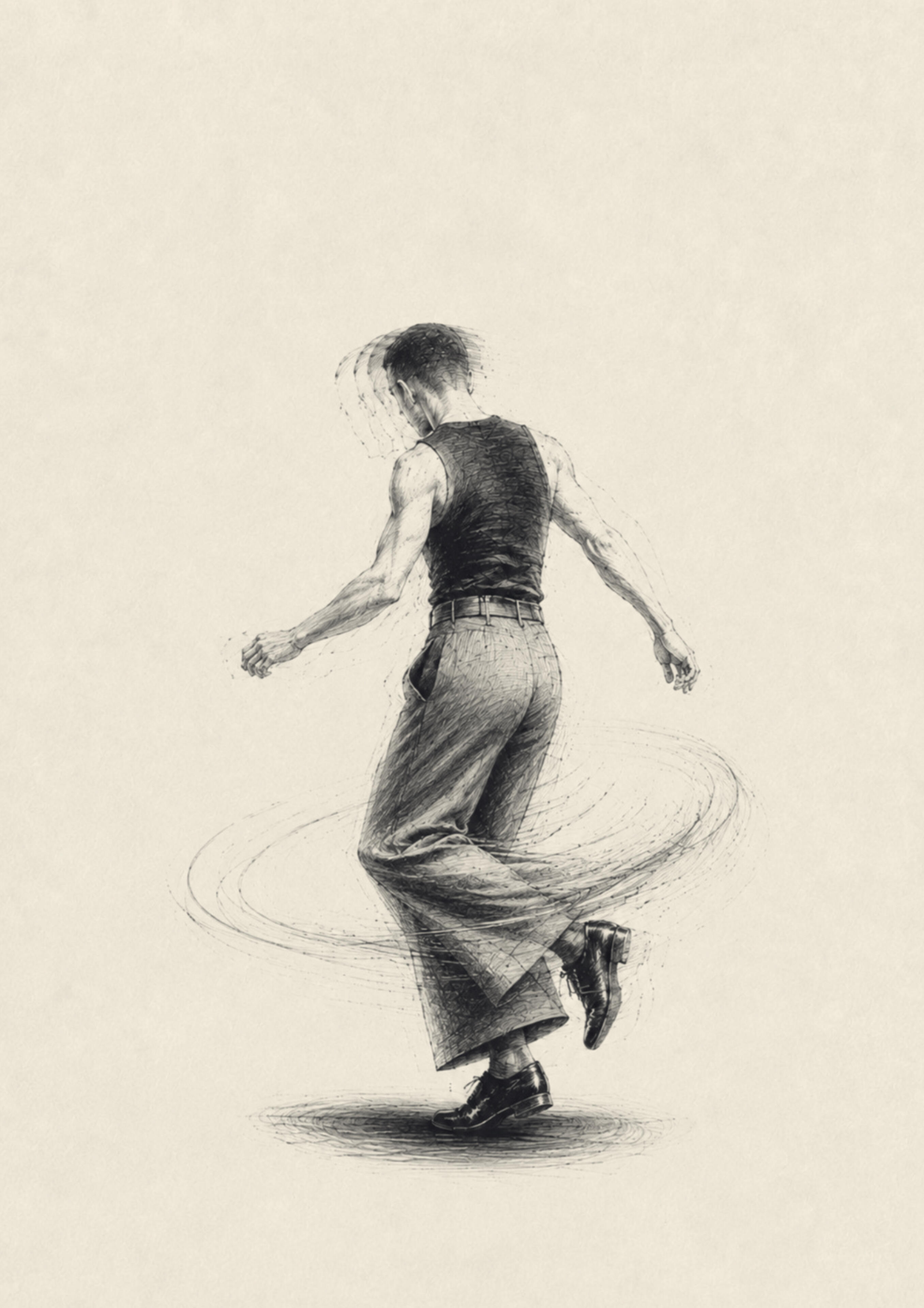
Discovery was an achievement, taste was a form of identity, and the dance floor was the final authority.The physical expression of Northern Soul was equally distinctive. Athletic spins, drops and intricate footwork transformed dancing into something approaching an art form, demanding stamina, imagination and an almost devotional relationship with the music.
The Casino closed in 1981, but its cultural influence proved remarkably resistant to disappearance.Decades later, Northern Soul continues to inspire dancers, collectors, filmmakers, designers and musicians. Its records remain treasured, its imagery instantly recognisable and its commitment to musical discovery as compelling as ever.There is something quietly extraordinary about this. An industrial town in Lancashire became internationally associated with a musical culture built around obscure recordings from Detroit, Chicago and other American cities.Wigan did not create those records. It helped ensure that they would never be forgotten.
Into the StormBy the early 1990s, the musical landscape had changed again.The Verve, formed in Wigan in 1990, belonged to a generation shaped by alternative rock, psychedelia, dance culture and the restless experimentation of British guitar music.Their early recordings were expansive and exploratory, more concerned with atmosphere and possibility than conventional pop craftsmanship. Guitars shimmered and dissolved, rhythms stretched, and Richard Ashcroft's voice seemed to emerge from somewhere between intimate confession and distant proclamation.With Urban Hymns in 1997, that ambition found a vast audience.Songs such as Bitter Sweet Symphony, The Drugs Don't Work and Lucky Man became defining recordings of their era, combining emotional directness with a scale that few of their contemporaries could match.Yet The Verve's achievement was not simply commercial. Their music possessed a particular emotional character: yearning, defiance, vulnerability and an almost overwhelming desire for transcendence.Ashcroft could make personal uncertainty sound monumental. The band's finest work suggested that ordinary lives contained feelings of almost orchestral grandeur.It would be fanciful to draw a direct musical line from George Formby's banjolele to the strings of Bitter Sweet Symphony. But there is a meaningful connection in the ability of performers from Wigan to reach enormous audiences without entirely surrendering the character of their origins.Richard Ashcroft's subsequent solo career has continued that story, taking the distinctive voice first heard with The Verve to successive generations of listeners.
Something in the AirWhat, then, should we make of Wigan's musical history? It would be easy to claim that the town possesses some mysterious creative quality, an indefinable ingredient produced by its industrial heritage, its working-class traditions or the character of its people. Such explanations are attractive, but rarely sufficient.George Formby, Georgie Fame, the Northern Soul movement and The Verve emerged from different circumstances, pursued different ambitions and spoke to different generations. Their achievements deserve to be understood individually, rather than pressed into a convenient mythology. Nevertheless, taken together, they reveal something significant about the geography of British culture.Creative influence does not always follow economic or political power. It does not require a fashionable address, a prestigious institution or the approval of a metropolitan audience.Sometimes it emerges from a music hall performer who refuses to disguise his accent. Sometimes from a young musician absorbing the sophisticated rhythms of another continent. Sometimes from thousands of dancers discovering that forgotten American records can acquire entirely new meanings in a northern ballroom. And sometimes from four young men who form a band in Wigan and make music that eventually fills stadiums.The continuing influence of these achievements matters as much as their history. Formby's music still finds devoted enthusiasts. Georgie Fame remains an important figure in British rhythm and blues. Northern Soul is a living culture rather than a museum exhibit. And the songs of The Verve and Richard Ashcroft continue to reach audiences who were not yet born when they were recorded.Wigan's contribution to music has never depended upon a single moment of fashionable attention. It has endured across generations, genres and profound changes in British society.Perhaps that is the Wigan effect: not a particular sound, but the repeated demonstration that somewhere apparently peripheral can become, without asking permission, the centre of everything. And that the music made there, or loved there, can travel considerably further than anyone might reasonably have expected.
Going out outWell, that's the history lesson over. Now for some fieldwork.Tonight, I'll be exploring Wigan after dark, visiting a selection of its pubs, bars and clubs to discover what the town has to offer the modern reveller. From the traditional local to the late-night dance floor, I intend to experience as much as possible and report back with the sort of insight, honesty and journalistic rigour that readers of Costa del Wigan have every right to expect.And I've decided to do something rather ambitious.I'll be reporting live!Rather than write everything up tomorrow, I'll be updating this very page throughout the evening, sharing my impressions as events unfold. You'll be able to follow my progress from establishment to establishment, with fresh reports appearing as the night develops.I must admit to feeling a little nervous. This will be my first proper night out since leaving rehab, and while I'm very much looking forward to it, there's a difference between feeling confident in the safety of one's own sitting room and actually walking through the doors of a busy pub on a Saturday night.Still, as my ex, Ryan, used to remind me, you don't have to drink to have fun. He was absolutely right about that, whatever else one might say about Ryan.I also want to take this opportunity to thank the management of Costa del Wigan once again for placing their trust in me.Being given the chance to return to professional journalism means more than I can adequately express, and I'm determined to repay that confidence with a piece of work we can all be proud of.So, sensible shoes, fully charged phone, notebook at the ready, and a clear head.Wigan, here I come.I'll see you at the first pub.
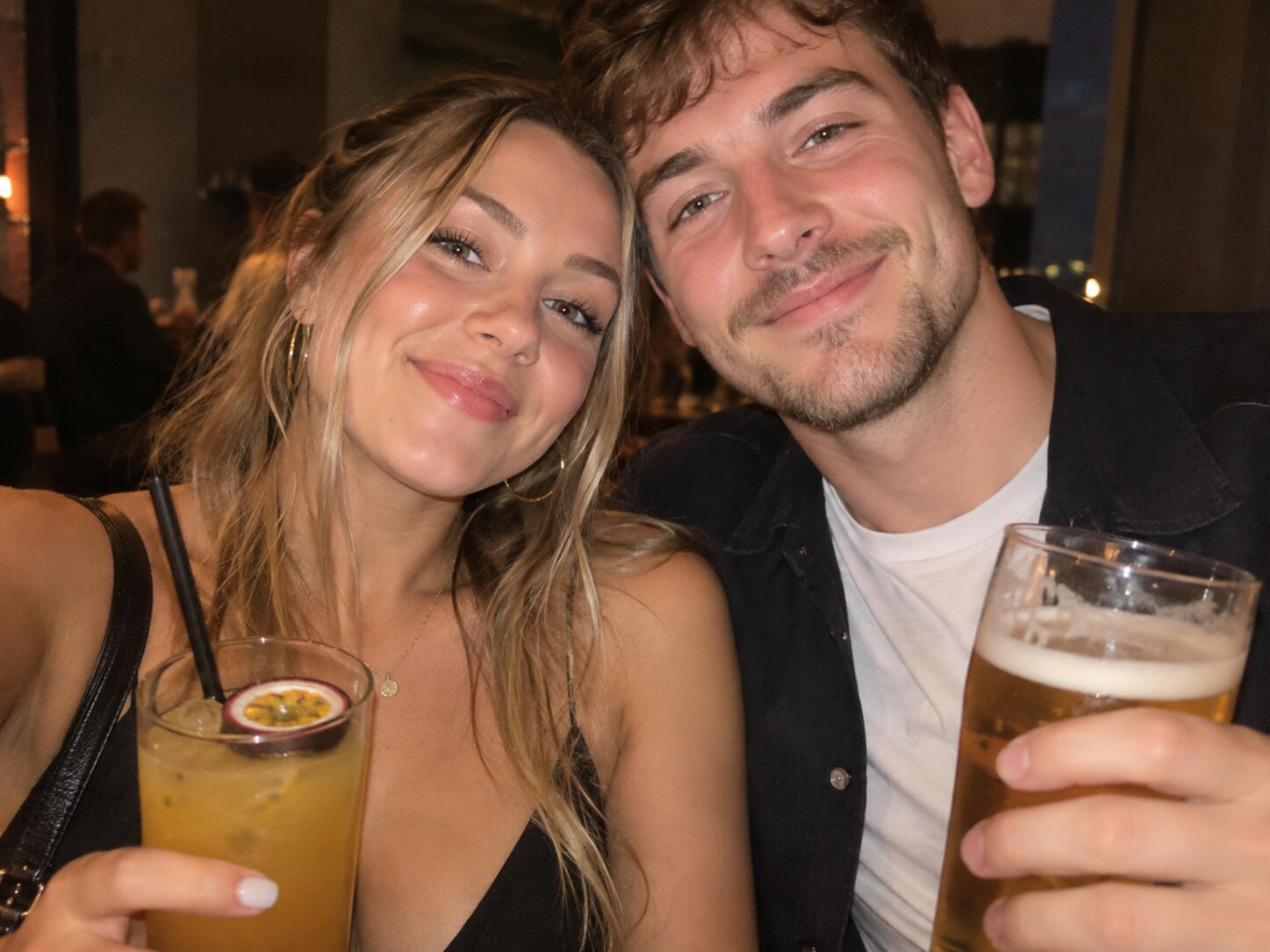
7.15 PM | The Bailiff Bar, The Old CourtsAnd we're underway!!I've chosen to begin at The Bailiff Bar, housed within The Old Courts, one of Wigan's most interesting cultural buildings. There's something rather pleasing about starting an evening devoted to the town's nightlife in a place that has reinvented itself as a home for music, performance and the arts.My first drink is a passion fruit mocktail, beautifully presented and considerably more interesting than the orange juice I had been anticipating. I'm pleased to report that I feel entirely comfortable here. The initial nerves have subsided, and I'm beginning to remember what I always loved about going out: the conversation, the atmosphere and the delightful unpredictability of meeting strangers.Speaking of which, I've made two new friends, Kelly and Harry, a wonderfully entertaining couple who have lived in Wigan all their lives. They've been telling me about their favourite places in town and have very kindly agreed to have their photograph taken for the article.It's a lovely start to the evening, and I'm feeling rather proud of myself.Onwards to Wigan Central.
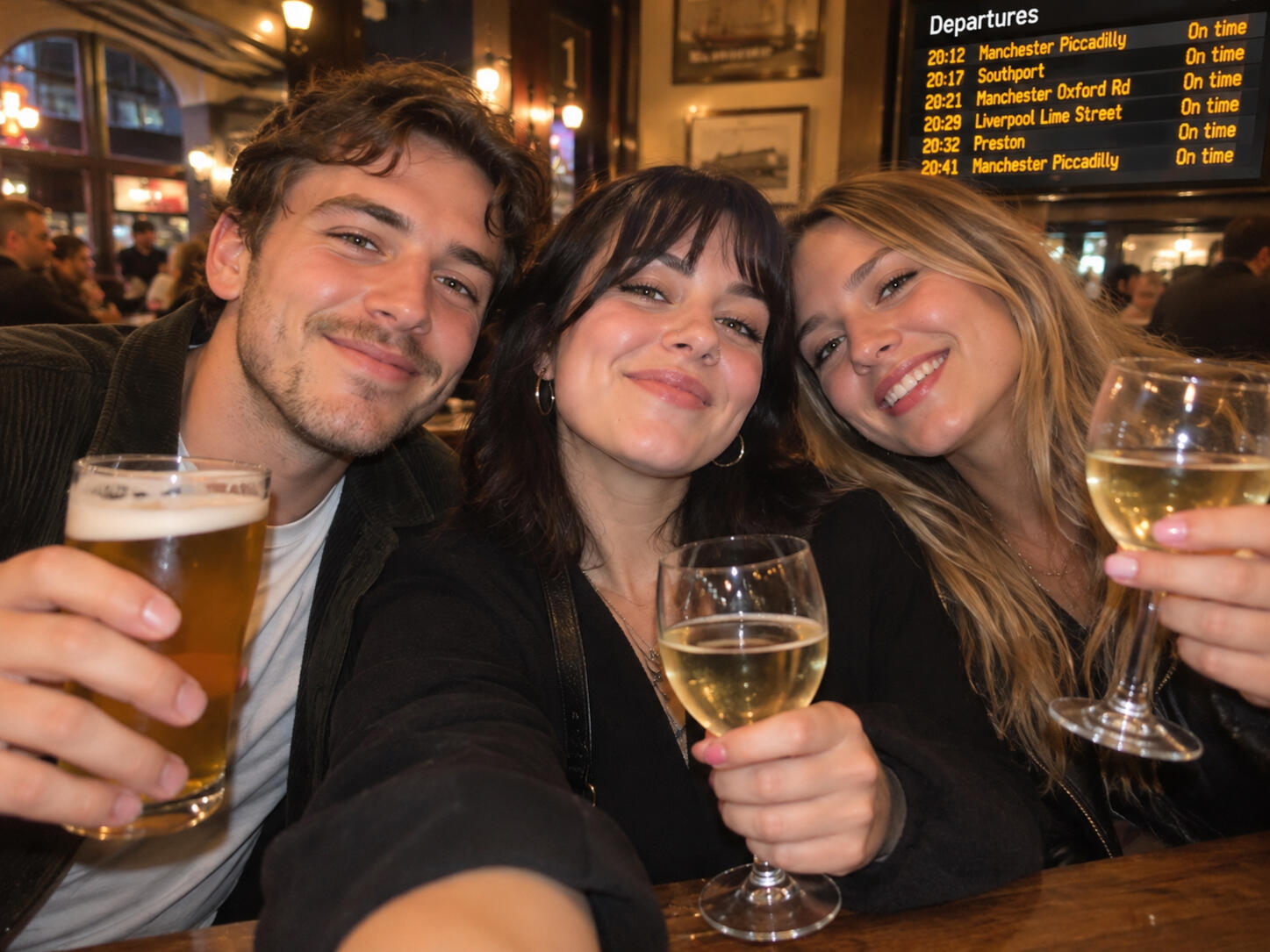
8.05 PM | Wigan CentralWigan Central is a cracking pub underneath the arches.Railway-themed, packed with character and a beer selection that would keep a serious real ale enthusiast occupied for hours.Something I really love is they have live train departure boards for both train stations just up the hill.What an excellent idea!Kelly's persuaded me to join her in a glass of wine (two actually, I know!).We're having a laugh, and I'm starting to wonder what I was so nervous about.It’s times like this that I realise I’m better off without Ryan.Journalism is part of my DNA. Anyway, where next?
9.17 PM | The RavenWe've arrived at The Raven. Funny story, I thought it was called The Maven! Helly and Karry nearly died laughing when I told them. We're on our second bottle of wine and having an absolutely fantastic time.9.29 PMThis what I call a proper pub - all tiled walls and wood - I love it. I told Shelley and Gary that I thought it was called The Maven. What am I like?I LOVE Costa del Wigan. What a brilliant job this is. Thank you!!!9.36 PMOrdering some more drinks at the bar and I was telling some people there that I had been calling it The Maven. Everyone was laughing like hyenas. This really is a brilliant pub. I love Ryan.
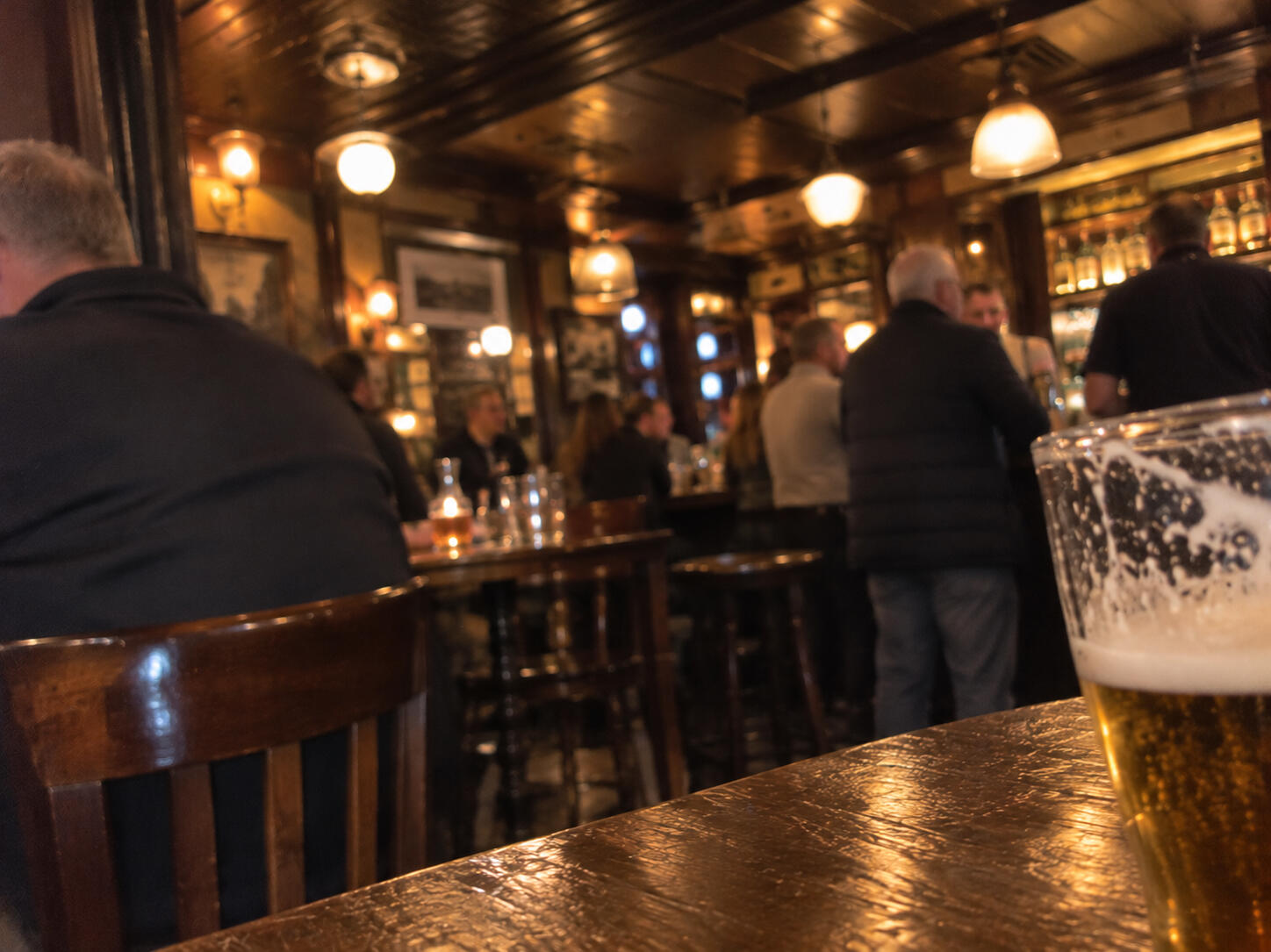
9.52 PM | The Moon Under WaterThis place is heaving and everyone is so friendly. You can say what you like about Wigan but I love it!10.03 PMI LOVE WIGAN. Seriously. Why doesn't everyone live here?10.07 PMJust told this bloke about how I thought The Raven was called The Maven. He thought I was hilarious. He’s right. I am!!10.16 PMGuess what readers? Yours truly has entered a tequila slammers competition. Wish me luck!
4.02 AM | PopworldBest nite evr. I LOVE WIGAN SO MUChpaul why arnt you ansering your phne???? ive rung you 17 tims. SEVENTEEN. i knw your awakeim havng the best timepaul pls answr i need to tel you somethng importnt becos the thing is i didnt mean to and the other thing with theno but seriosly the thing is if you just lisn for ONE MINUT becos i was only tryng towhre is my other shoe
A Note from Costa del Wigan Crisis ManagementCosta del Wigan would like to thank Zaffre Hibbert-Hall for her enthusiasm, her commitment to exploring Wigan's nightlife and, above all, her bravery in undertaking a live blog of the evening's events.Live reporting is a demanding discipline, particularly when undertaken entirely alone, and we are grateful to Zaffre for embracing the challenge with such energy.We have decided to bring this particular feature to a close.We would also like to thank the people of Wigan for making our correspondent feel so welcome.